What are the Good Team Building Methods
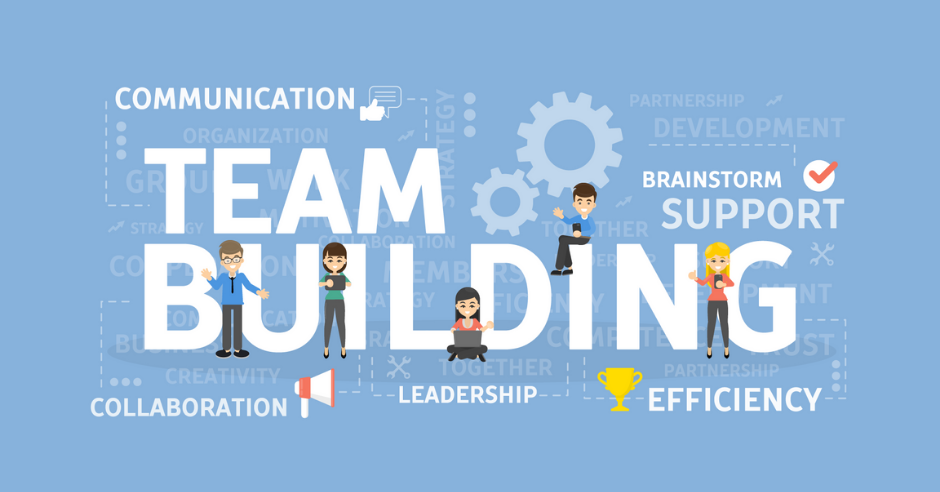
Team building is the process of helping people work together more effectively. It can include activities that improve communication, build trust, clarify responsibilities, and help colleagues solve problems as a group. The right approach depends on what a team needs: a shared experience can help people connect, while a structured development session is better suited to a specific work challenge.
Team building is not the same as team training. Training usually develops particular skills or knowledge; team building focuses more on how people interact, make decisions, and coordinate their work. In practice, a team may benefit from both.
Many team-building exercises are designed to help a group identify interpersonal challenges and agree on better ways of working. The goal is not simply to have fun together. It is to create habits that make collaboration easier after the activity ends.
Table of Content


What Are the Main Goals of Team Building?
Well-planned team building can help a group:
- Align around shared goals and priorities. Learn more about goals and OKRs.
- Build effective working relationships and improve interpersonal communication.
- Clarify roles, responsibilities, and decision-making authority.
- Surface problems early and find practical solutions together.
- Create an environment where people can ask questions, share concerns, and admit mistakes without fear of humiliation.
Google’s published guide to team effectiveness also highlights psychological safety, dependability, structure and clarity, meaning, and impact as important team dynamics. These ideas can be a useful starting point when deciding what a team needs to improve. See Google’s guide to understanding team effectiveness.
Also read: 7 Team Building Activities Sports Fans Love
What Are the Two Main Types of Team Building?
Team-building methods generally fit into two broad categories: shared-experience activities and behavior-change programs. Choose between them based on the intended outcome rather than the activity’s popularity.
1. Shared-Experience Team Building
Shared-experience events are designed to give colleagues a positive experience outside their usual routine. They are useful for welcoming new employees, celebrating a milestone, or helping people from different departments get to know one another.
Examples include:
- Team cooking or food-making sessions.
- Outdoor challenges or friendly sports competitions.
- A group creative project, such as making a short film.
- A quiz, scavenger hunt, or escape-room-style challenge.
- A volunteer activity chosen by the team.
These experiences can create conversation and camaraderie, but they do not automatically resolve persistent communication or performance problems. To make the experience more useful, finish with a short discussion: What helped the group work well together? What would the team do differently next time?
2. Behavior-Change Team Building
Behavior-change programs address a specific teamwork issue, such as unclear responsibilities, weak handovers, repeated conflict, or slow decision-making. They often involve guided discussion, realistic scenarios, facilitated exercises, and agreed actions.
This type of program usually works best when a team has a clear objective and a facilitator who can keep the discussion constructive. For example, if projects regularly miss deadlines because ownership is unclear, a role-clarification workshop may deliver more value than a general team game.
A good facilitator makes the session interactive and relevant to the team’s real work. The aim is to agree on behaviors the team can practice afterward, not simply to complete an activity.
10 Practical Team Building Methods to Try
1. Set a shared team goal
Ask the group to define what success looks like for an upcoming project. Agree on the intended result, the most important priorities, and how progress will be measured. Write the goal down so everyone can refer to the same plan.
2. Clarify roles and responsibilities
List the main tasks in a project and identify an owner for each one. Discuss who makes decisions, who needs to provide input, and who should be kept informed. This reduces duplicated work and prevents important tasks from falling between team members.
3. Run a communication exercise
Use a short activity that requires people to listen carefully, explain instructions, and check their understanding. Afterward, discuss what made communication clear or confusing. Link the lesson to real situations such as project handovers, client requests, and remote collaboration.
4. Try a collaborative problem-solving challenge
Give the team a limited set of materials and a shared challenge—for example, designing a paper structure that protects an egg when dropped from a safe, predetermined height. Set a time limit, let the group plan and test its solution, and then reflect on how decisions were made.
The value is in the debrief: Did everyone contribute? How did the team respond when the first idea failed? Were responsibilities clear? Keep the activity safe and adapt it for accessibility and the group’s circumstances.
5. Hold a team retrospective
At the end of a project or sprint, ask three questions: What worked well? What caused friction? What is one change we should try next time? Choose one or two realistic actions, assign an owner, and review them at the next check-in.
6. Organize a shared creative project
A shared creative task—such as making a short film, designing a poster, or planning a team event—gives people a chance to contribute different strengths. For instance, a movie-making exercise can involve scripting, planning, filming, editing, and presenting. See the basic concept of filmmaking.
7. Use a facilitated problem-solving workshop
When the team is facing a recurring issue, bring the relevant people together to describe the problem, explore its causes, and agree on experiments or actions. The facilitator should make space for quieter participants and keep the conversation focused on work processes rather than personal blame.
8. Discuss working preferences and team roles
Invite team members to share how they prefer to receive updates, give feedback, focus on tasks, and ask for help. A framework such as Belbin Team Roles can provide language for discussing different contributions, but it should be used as a conversation aid—not as a rigid label that limits what someone can do.
9. Plan a social or outdoor event
A shared lunch, informal celebration, walk, or outdoor activity can give colleagues space to connect outside formal meetings. Offer alternatives for people with different schedules, accessibility needs, dietary requirements, or comfort levels. Participation should feel welcoming, not compulsory.
10. Create a team agreement
Work together to agree on a few practical rules: expected response times, meeting etiquette, how decisions are recorded, when to escalate an issue, and how the team handles disagreement. Keep the agreement short, visible, and open to review as the team’s work changes.
How to Choose the Right Team Building Method
Before booking an event or running an exercise, answer these questions:
- What needs to change? Is the team looking for stronger relationships, or does it need to address a work problem such as unclear ownership or conflict?
- What outcome will show progress? Examples include clearer project responsibilities, faster handovers, more participation in meetings, or fewer repeated misunderstandings.
- What format suits the team? Consider team size, remote or hybrid working, time, budget, physical access, and the preferences of participants.
- Will the activity connect to daily work? Build in time to reflect and choose practical actions after the event.
- Who will guide the discussion? A team leader may be able to facilitate a simple exercise. Sensitive or long-running conflict may call for a neutral, trained facilitator or HR support.
For a one-off celebration or new-team welcome, shared experience may be sufficient. If there are repeated issues with performance or collaboration, use a targeted behavior-change approach and follow up on the agreed actions.
A Simple Team-Building Plan
Use this sequence to keep the effort focused:
- Assess the need: Ask team members what is helping and hindering collaboration.
- Set the objective: Define one specific improvement rather than trying to fix everything at once.
- Choose the activity: Match the format to the team and the issue.
- Agree on ground rules: Make participation inclusive and keep feedback respectful.
- Reflect afterward: Identify what the team learned and which behaviors it wants to change.
- Assign actions: Give each action an owner and a review date.
- Check progress: Revisit the goal after a few weeks and adjust the approach if needed.
A team-role framework such as Belbin may also help start a discussion about how people contribute and where a team may need additional support. The framework describes patterns of behavior, not fixed personality types; use it thoughtfully and consider the team’s actual goals and context.
How Can You Tell Whether Team Building Is Working?
Do not judge success only by whether participants enjoyed the event. Use the intended outcome to choose a few indicators, such as:
- Team members can explain the project goal and their responsibilities.
- Meetings have clearer agendas and decisions are documented.
- People raise questions or concerns earlier.
- Handoffs between colleagues are more reliable.
- The team completes the follow-up actions it agreed to.
Compare the team’s experience before and after the activity, and ask participants what has changed. One event rarely fixes a deep-rooted issue by itself; consistent follow-through is what turns a useful session into a working habit.
Frequently Asked Questions
What is the most effective team-building method?
The most effective method depends on the problem you are trying to solve. Social activities can help people get to know each other, while facilitated workshops and structured problem-solving exercises are better suited to specific challenges such as unclear roles or recurring conflict.
How often should a team do team-building activities?
There is no single schedule that suits every team. Use occasional shared experiences when they serve a purpose, and make communication, feedback, clear responsibilities, and retrospectives part of normal work rather than relying on events alone.
Are team-building games useful for workplace performance?
They can be, when the activity is appropriate and the team reflects on what happened. Games alone will not reliably solve deeper problems. Connect the lessons to real work and agree on actions that can be practiced afterward.
What is the difference between team building and team training?
Team building usually focuses on trust, relationships, communication, and collaboration. Team training focuses on developing specific knowledge or skills. Some programs combine both approaches.
Final Thoughts
There is no single team-building activity that works for every group. Start by identifying what your team needs, choose a method that fits the goal, and make time to turn the experience into practical follow-up actions. Clear goals, defined responsibilities, open communication, and consistent review help make team building part of everyday work—not just a one-day event.
Disclaimer: This article provides general information about team-building methods. The views and recommendations are for informational purposes and may not reflect the views of every organization.
Editorial notes
- Original links retained: OKR International, Beekeeper, OutreachWay’s team-building article, and Wikipedia’s filmmaking page.
- Added relevant references: Google’s team-effectiveness guide and Belbin’s official Team Roles overview.